Roof Lights: Premium Skylight Solutions for Office Buildings
Transform Your Attic: Why Rooflights Are the Key to Value and Light
Transforming an attic with rooflights offers an opportunity to enhance both light and space. The installation of these features not only illuminates the environment but also adds considerable value to a property. As natural light boosts mood and energy efficiency, it becomes obvious that rooflights can revitalize underutilized areas. Yet, the decision of rooflight and design can be critical. What elements should one keep in mind when starting this project?
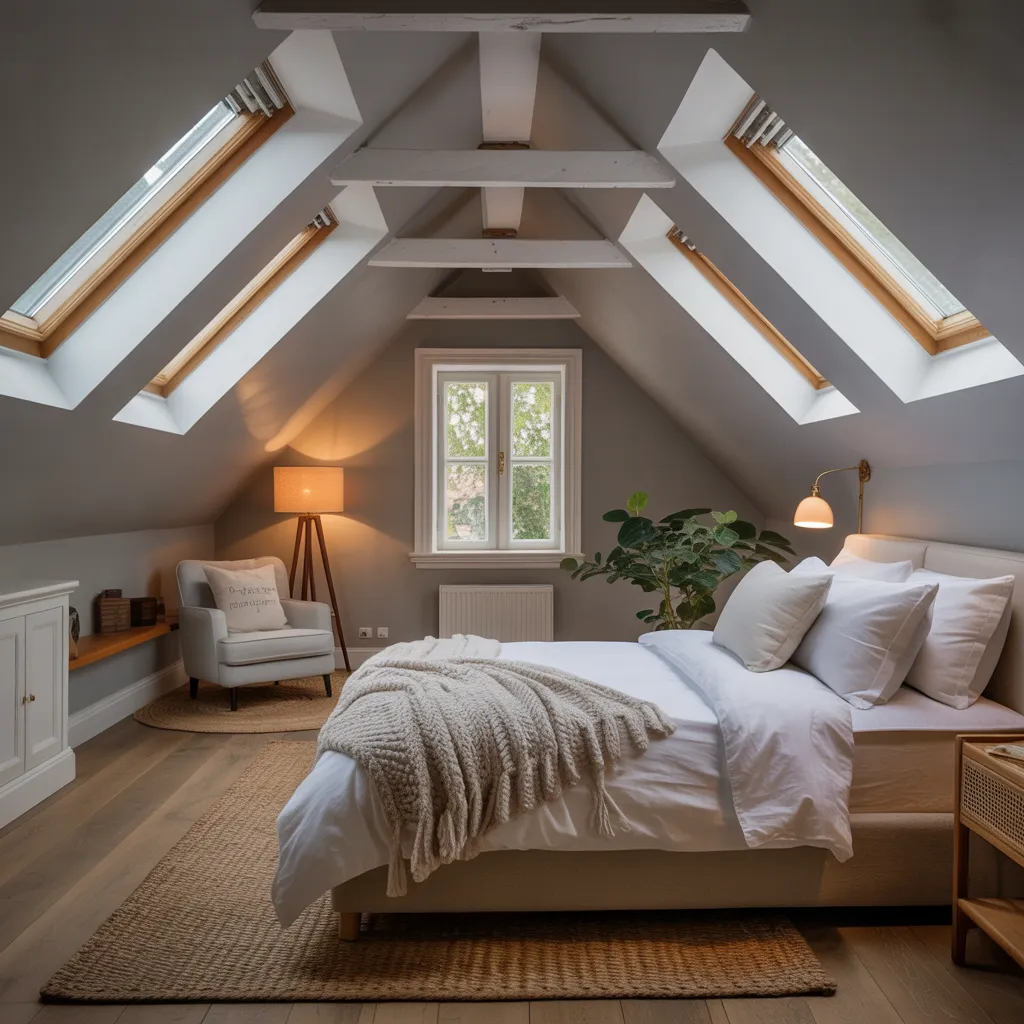
The Reasons to Select Rooflights for Your Attic Transformation
Why are rooflights perfect for transforming an attic? Rooflights play a central role in transforming a neglected attic act now space into a bright, practical living area. They significantly boost natural light levels, fostering an open, spacious feel that can profoundly elevate the overall look and ambiance. This abundance of natural light not only boosts morale but also aids in decreasing dependence on artificial lighting, supporting energy savings.
Additionally, rooflights can increase a property's market value. Future purchasers often prefer homes with naturally illuminated spaces, making an attic conversion more appealing. The strategic placement of rooflights can also offer spectacular views of the sky, adding a distinctive charm to the attic.
Furthermore, rooflights promote ventilation, improving air circulation and sustaining a agreeable environment. In conclusion, adding rooflights into an attic conversion is a smart choice that blends aesthetic appeal, sustainable energy use, and improved property worth.
Different Types of Rooflights: Selecting the Best Option?
Selecting the most suitable type of rooflight can significantly influence the overall success of an attic renovation. Various options are on offer, each offering distinct qualities. Fixed rooflights are favored for their straightforward design and effectiveness in illuminating spaces, while opening rooflights deliver ventilation together with natural light, enhancing air quality. For those desiring a modern appeal, skylights come in various designs and materials, permitting customization to match the attic's style.
Dome rooflights, commonly installed on level rooftops, are ideal for maximizing the amount of light received and can be installed in multiple configurations. Additionally, tube rooflights are well-suited to confined areas, directing natural light through reflective tubes. When selecting a rooflight, considerations such as size, orientation, and the attic's layout are important. In the end, the right choice not only enhances the brightness of the space but also adds to its overall functionality and appeal.
Natural Light and Its Impact on Well-Being
Natural lighting plays an essential role in boosting overall well-being. Being exposed to natural light is connected to enhanced mood and greater energy levels. Studies show that natural light can greatly affect mental health, alleviating symptoms of anxiety and depression. By saturating spaces with sunlight, individuals often notice an increase in serotonin production, which contributes to feelings of happiness and calmness.
In addition, natural light aids in the control of circadian rhythms, facilitating better sleep patterns. This physiological harmony fosters a sense of harmony and renewal, which is critical for general well-being. In rooms such as attics, installing rooflights can maximize exposure to sunlight, establishing a more welcoming and calming atmosphere. The cognitive benefits of natural light extend beyond mere aesthetics, influencing productivity and creativity as well. Therefore, enhancing living spaces with rooflights can have a beneficial impact on an individual's mental and physical wellness.
How Rooflights Enhance Your Property Value
Fitting rooflights into an attic converts the area into a bright, airy sanctuary that can considerably enhance a home's value. By permitting natural light to pour in, rooflights improve the general attractiveness of a property, making it more appealing to prospective buyers. This feature not only creates a more inviting atmosphere but also highlights the practical space that an attic can offer.
Property buyers frequently look for homes with distinctive characteristics that stand out in the market. Roof windows can function as a key design element, highlighting the property's architectural style and boosting the overall attractiveness. Moreover, brightly illuminated rooms often appear more spacious, consequently increasing the perceived living space of the residence.
Additionally, energy performance can be enhanced through the integration of advanced rooflight systems, which may appeal to environmentally conscious buyers. In the end, the fitting of overhead glazing solutions reimagines an underutilized area into a sought-after living environment, enhancing a home's marketability and resale potential.
Unique Design Ideas for Transforming Your Attic
When considering unique design approaches for attic spaces, creative lighting choices can dramatically enhance the overall feel. Additionally, transforming the area into versatile areas enables enhanced versatility, accommodating various activities. A comfortable reading retreat can serve as an ideal escape, combining elegance with relaxation.
Innovative Lighting Solutions
How can innovative lighting transform an attic into a welcoming retreat? By integrating unique lighting solutions, property owners can significantly improve the atmosphere and usability of their attic areas. Thoughtful installation of LED strip lights along beams or shelves can generate a warm, appealing radiance, while pendant lights can serve as striking focal points. Roof windows not only introduce natural illumination but also create a sense of greater space and openness. Adding dimmable lighting options provides adaptable brightness control, permitting residents to tailor the ambiance to suit different times or settings. Furthermore, incorporating ornamental lamps or wall-mounted sconces can introduce character, transforming the attic into a comfortable retreat. Altogether, a well-considered lighting scheme boosts the attractiveness and practicality of the attic.
Multi-Purpose Spaces
Forward-thinking lighting designs do more than enhance the aesthetic of an attic but also lay the groundwork for imaginative design possibilities. By installing the right rooflights, attics can transform into multipurpose environments that accommodate a wide range of needs. As an example, a bright and open space can work as a personal workspace throughout the working day, while subtle, adaptable illumination can establish a welcoming relaxation zone as the night sets in. Adding modular furniture allows for effortless rearrangement, making room for everything from meditation practice to lively family gatherings. Through harmonizing practicality with visual appeal, a thoughtfully planned attic can optimize usability while preserving visual appeal. Therefore, the possibilities for transformation are limited only by imagination, positioning attics as prized features of contemporary residences.
Comfortable Reading Corners
Building a comfortable reading space in an attic can reinvent an overlooked space into a tranquil retreat, designed for leaving behind the stress of everyday life. Carefully installed rooflights can illuminate the nook with natural light, enhancing its welcoming atmosphere. Outfitting the nook with a plush cushioned seat or recliner, plush pillows, and a warm throw blanket establishes an ideal spot for leisure. Incorporating bookshelves, be they fitted or portable, allows for easy access to a curated assortment of literary works. Adding distinctive details, such as prints or mood lighting, greatly improves the nook's appeal. This intentional design not only improves the room's attractiveness but also adds to the overall value of the home, making it a valuable investment.
Essential Installation Tips for a Successful Rooflight Project
When organizing the installation of a rooflight, picking the most suitable position is essential for maximizing natural light and improving the room's ambiance. Engaging qualified professionals guarantees that the project is executed efficiently and safely. Furthermore, proper insulation is necessary to maintain energy efficiency and comfort in the upgraded loft space.
Pick The Perfect Location
Choosing the right position for a rooflight is important to enhancing both sunlight and visual impact in an attic conversion. In an ideal scenario, rooflights should be placed to capture the most natural light throughout the day, typically on the southerly-facing side of the roof. This positioning not only enhances natural lighting but also limits dependence on artificial lighting. In addition, taking into account the existing roof structure and nearby obstructions, such as chimneys or trees, is necessary. Rooflights should be installed in areas that match the intended use of the space, whether for a living area. This thoughtful positioning ensures a balance between practicality and visual appeal, ultimately transforming the overall ambiance of the attic.
Employ Skilled Experts
Employing certified installers is essential for a productive rooflight installation. Their skill guarantees that the work meets local building standards and safety protocols. Qualified contractors can thoroughly assess the structural integrity of the roof, identifying potential obstacles that may develop during installation. They utilise the required tools and practices to reduce disruption to the surrounding space while producing a seamless finish. In addition, experienced professionals can offer valuable guidance into ideal placements and design choices, elevating both aesthetics and performance. It is advisable to request recommendations and review previous work to ensure the selected team has a strong track record. Overall, employing qualified professionals not only safeguards the installation procedure but also plays a major role to the rooflight's enduring efficiency and quality.
Maintain Adequate Insulation
Making sure insulation is adequate is vital for enhancing energy efficiency in a rooflight installation. It minimizes heat loss during colder months and decreases heat gain in the summer months. Homeowners ought to begin by evaluating the existing insulation in the attic, making sure it aligns with the suggested R-values for their area. Transitioning to superior insulation materials can substantially boost effectiveness. During installation, care must be taken to seal any gaps or leaks around the rooflight, as such issues can reduce the efficiency of the insulation. Furthermore, incorporating reflective insulation materials can assist in controlling temperature fluctuations. Adequate ventilation must not be neglected, as it contributes to preserving a consistent living environment. By emphasizing insulation, homeowners can experience a comfortable home environment while fully realizing the value their rooflight delivers.

Common Questions and Answers
What Are the Energy-Saving Benefits of Rooflights?
Roof lights improve energy savings by maximizing natural light, reducing reliance on man-made lighting. They enhance airflow, assisting in controlling indoor temperature, and may lead to lower heating and cooling costs, encouraging eco-friendly living while enhancing overall comfort.
Do Rooflights Demand Special Maintenance?
Rooflights typically demand very little maintenance, usually requiring routine cleaning and inspections for leaks. Ensuring proper sealing and addressing any issues promptly can improve their durability and overall performance, benefiting both energy performance and aesthetic value.
Can Rooflights Assist in Reducing Heating Costs?
Rooflights can certainly assist in lowering heating costs by enabling natural sunlight to warm rooms during daylight hours. This increased sunlight can decrease reliance on artificial heating, resulting in possible energy savings in the long run.
Are Rooflights Suitable for All Types of Roofs?
Rooflights are not universally suitable for all roof types. Their effectiveness depends on factors such as roof pitch, material, and structural integrity, demanding careful planning and professional consultation for the best possible installation outcomes.
What Building Regulations Apply to Installing Rooflights?
Building codes for fitting rooflights generally encompass requirements relating to structural integrity, fire safety, and energy efficiency. Regulatory bodies may require planning permission, confirming conformity with guidelines that secure the building and those who occupy it.